Egypt's Herbs and Spices Market at a Glance
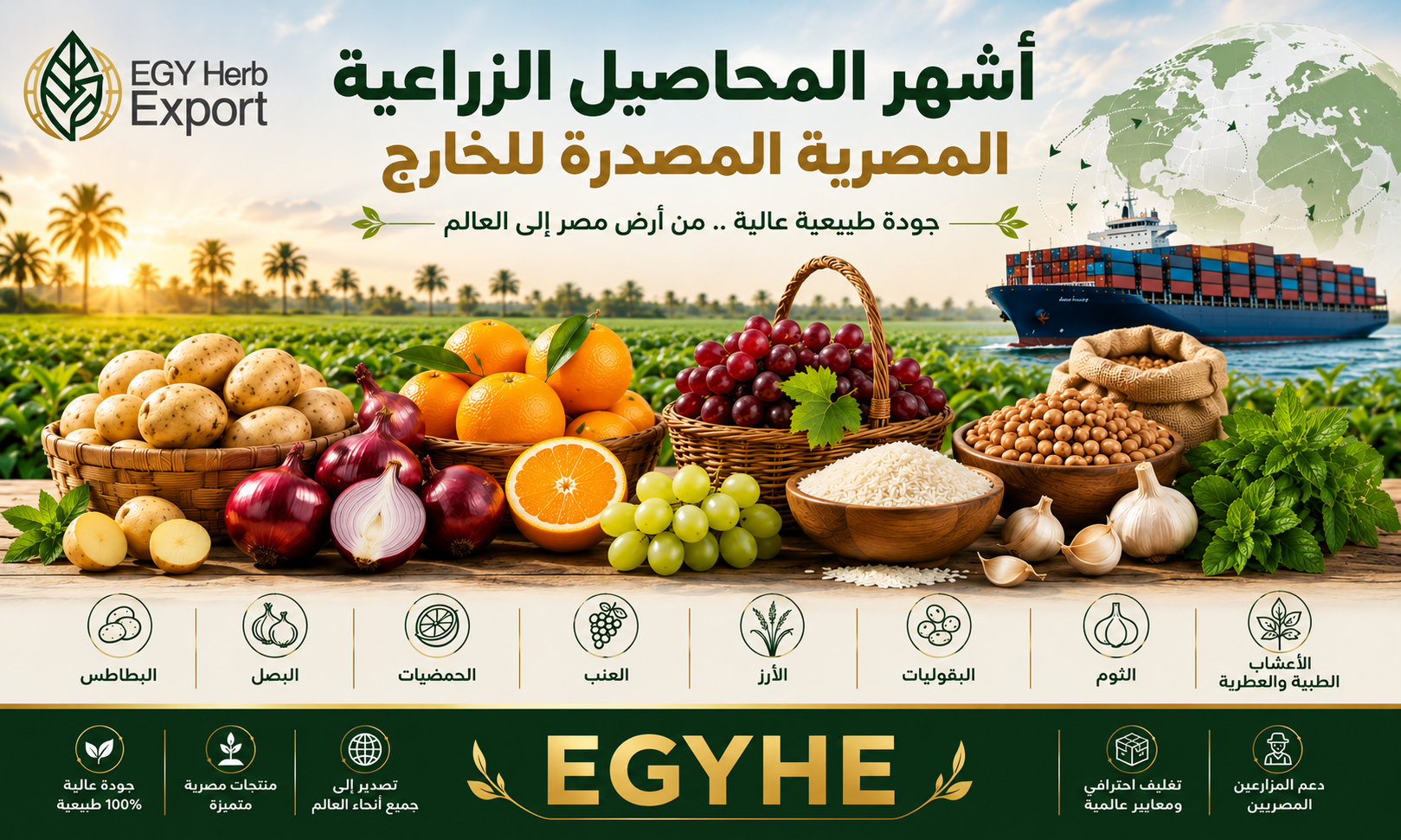
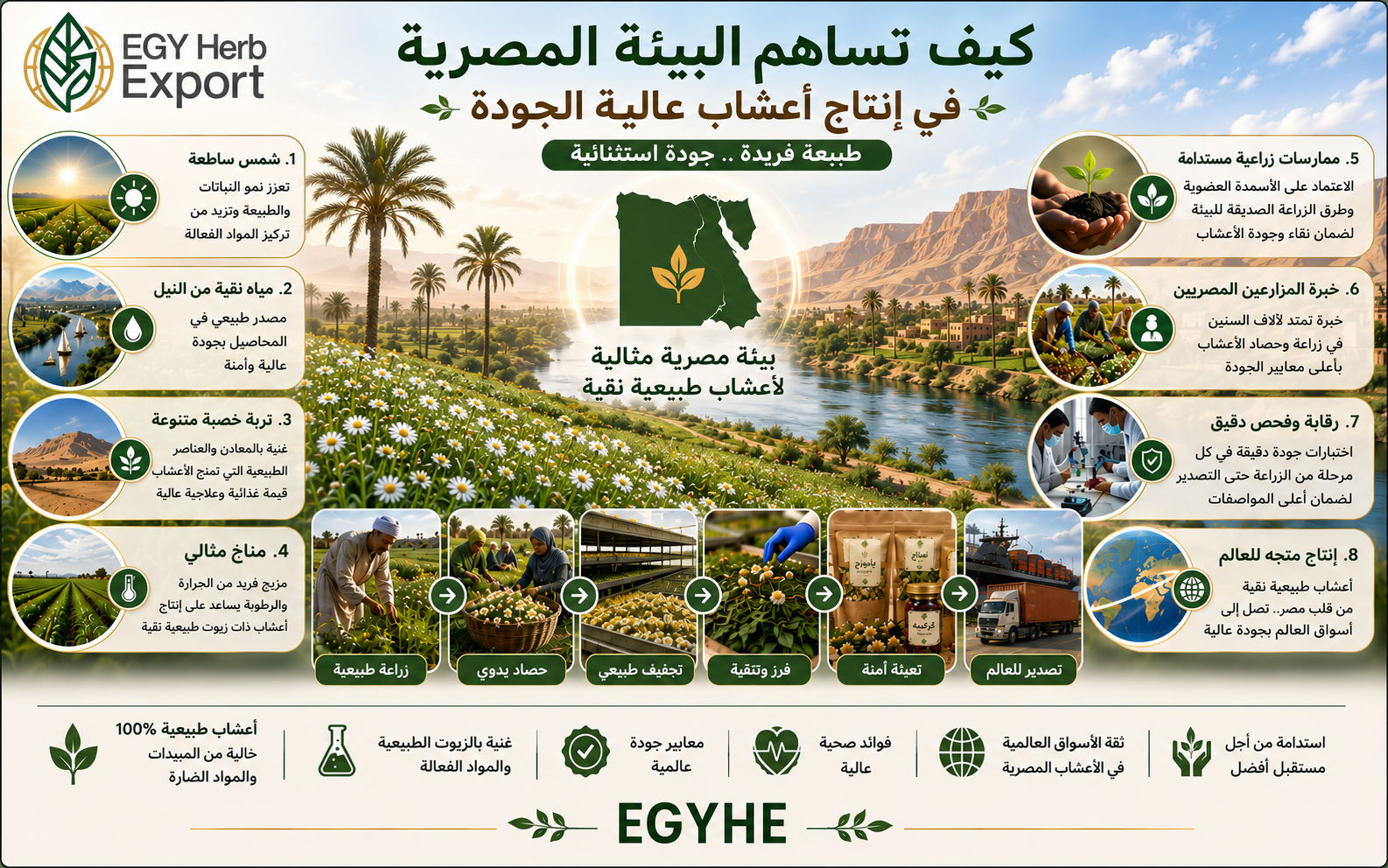
Egypt is one of the world's most important suppliers of dried herbs and spices, and for many buyers it is the first place they look for chamomile, hibiscus, basil, marjoram, cumin and fennel. The country exported a record 8.6 million tons of agricultural products in 2024, to about 160 countries, and herbs are the fastest-growing category within that trade. Egypt ranks first globally in basil exports, second in marjoram, and exported more than 22,000 metric tons of hibiscus in 2024 alone.
The main growing regions are Fayoum, Beni Suef and Minya for most herbs and seeds, while Aswan and Qena are known for deep-red hibiscus. Because the climate allows several harvests a year for crops such as mint and basil, supply is steadier than from single-season origins. This guide walks through how to turn that supply into a safe, well-documented import, step by step.
Step 1: Define Your Specification Before You Ask for Prices
The most common reason an import goes wrong is a vague brief. Before requesting quotes, write down the specification you actually need: the herb and its botanical name, the form (whole, cut and sifted, or powder), the grade, the maximum moisture, the packaging size and the destination market.
For example, tea-grade
chamomile is bought by flower size and the share of whole flowers, while beverage-grade
hibiscus is bought by color depth and anthocyanin content.
Cumin and other seeds are usually bought by essential oil content and purity. A supplier who receives a precise brief can quote accurately, and you can compare offers on equal terms.
Step 2: Request Samples and Read the Laboratory Report
Never place a bulk order on photos alone. Ask for a physical sample together with a Certificate of Analysis (COA) from an accredited laboratory, and compare the sample with the report. A reliable supplier will send a verified sample with full lab analysis before you commit to volume, and will state the sample is representative of the lot you will receive.
Read the COA line by line. The parameters that matter most are moisture content (commonly below 10 to 12 percent for dried herbs), essential oil percentage for aromatic herbs, pesticide residues against the maximum residue limits of your destination market, microbiological results, and foreign matter. Our article on
the quality specifications Egyptian herbs meet explains each of these in detail.
Step 3: Confirm the Documents You Will Receive
Documentation is what makes a shipment clear customs without delay. For herbs and spices from Egypt, buyers should expect the following with every shipment:
- Commercial invoice and packing list
- Certificate of Analysis (COA) from an accredited laboratory
- Phytosanitary certificate issued by the Egyptian authorities
- Certificate of origin
- Bill of lading (or airway bill)
- Pesticide residue test report, especially for the EU market
Depending on the product and destination, you may also need organic certificates, halal certification, or an ISO 22000 or HACCP certificate for supplier approval. Where a preferential trade agreement applies, for example with the European Union, a movement certificate can reduce import duty. Confirm this with your customs broker before the order is placed, not after the goods have shipped.
Step 4: Agree the Incoterm, Price and Payment Terms
Egyptian herb exporters most often quote FOB (Free on Board), meaning the supplier delivers the goods on board at the Egyptian port and you arrange and pay for the ocean freight and insurance. Some suppliers can also quote CFR or CIF if you prefer a landed price. FOB usually gives you the most control over freight cost, while CIF is simpler if you are importing for the first time.
Ask exactly what the price includes: packaging, palletizing, container loading, export clearance and documents. On payment, common arrangements are a deposit with the balance paid against copies of the shipping documents, or an irrevocable letter of credit for larger first orders. Put every term in writing on a proforma invoice.
Step 5: Plan Quantity, Packaging and Timing
Bulk herb suppliers usually set a minimum order quantity. At EGY Herb Export the minimum order is 500 kg per product, which suits importers, blenders and distributors who want to test a new origin without committing to a full container. Herbs are commonly packed in multi-layer bags or cartons of around 20 to 25 kg, palletized and containerized.
Timing matters because herbs are agricultural products.
Chamomile is harvested from February to May, so buyers placing orders for the following season should engage suppliers early to secure allocation from the best growing regions. Ask every supplier to confirm production and loading lead time in the quote, and build a safety margin into your own schedule.
Step 6: Check the Supplier Before You Pay
Egypt has hundreds of herb exporters, and quality consistency varies between them. Before paying a deposit, check that the supplier can name the farms and regions their product comes from, works with accredited laboratories, issues documents as standard with every shipment, and is willing to answer detailed technical questions. A supplier who avoids specifics, cannot provide a COA for the actual lot, or pressures you to pay before sending a sample is a warning sign.
Also check that you can reach a real person quickly. Buyers who work with EGY Herb Export receive a quotation within 24 hours and can ask for samples before any commitment.
Which Egyptian Herbs and Spices Do Importers Buy Most?
Demand from importers is concentrated in a small group of products.
Hibiscus and
chamomile lead for herbal tea and functional beverages,
dried mint and
basil for seasoning blends and food manufacturing, and
cumin,
fennel,
anise and
black seeds for spice packers and the natural health sector. You can see the full range on our
products page, and read how food manufacturers use these herbs in
our guide to herbs in the food industry.
Importing Herbs from Egypt into Saudi Arabia and the GCC
Importers in Saudi Arabia and the wider Gulf are among the most active buyers of Egyptian herbs and spices, from wholesale importers and supermarket chains to herbal product manufacturers. Most of the steps above apply unchanged. In addition, Gulf buyers usually ask for halal documentation, and food labeling and product registration rules are set by each country's food authority. Confirm those requirements with your local authority or clearing agent before the order is placed, so that the packaging and paperwork match from the start.
Frequently Asked Questions
What is the minimum order quantity for herbs from Egypt?
It varies by supplier and product. At EGY Herb Export the minimum order is 500 kg per product, FOB Cairo.
Can I get a sample before ordering in bulk?
Yes. Reliable suppliers send a verified sample with a lab analysis before you commit. Free samples are available for qualified buyers.
Which Incoterm should I use for my first order?
FOB is the most common and gives you control of freight. If you are new to importing, ask for a CIF or CFR quote as well and compare the total landed cost.
How do I know the herbs meet my market's residue limits?
Ask for a pesticide residue report for the specific lot and compare it with the maximum residue limits of your destination market. Do not accept a generic report that is not linked to your batch.
Ready to Start Your Import?
Send us the product, quantity, specification and destination, and we will reply with a competitive FOB quote within 24 hours. Request a quote or download our product catalog to see current availability and specifications.